

The United Nations Office at Geneva
Multimedia Newsroom
World Refugee Day: The Journey of an Afghan Journalist Forced to Flee Twice
Since the Taliban regained control of Afghanistan, women have faced devastating setbacks. New data from UN Women shows that with so many of their rights denied, Afghan women achieve only 17.3% of their full potential in exercising their rights and freedoms.
Zahra Nader, an Afghan journalist and activist, has lived this harsh reality: she has been forced to flee her home country not once, but twice, to escape the Taliban's oppressive rule.
Once a Refugee
Zahra first became a refugee at the age of six. When the Taliban first took power, her family fled their village in Bamayan, where they lived without electricity or running water. She recalls how that journey marked her very first experience riding in a car— to escape to Iran.
But Iran also proved to be harsh: once there, she was denied her right to an education. Her mother went begging school principals to let her be in class, but not one accepted her, as an Afghan girl. She remembers that people in the street would humiliate her by calling out: “Nasty Afghani, go back to your country.”
Twice a Refugee : the Second Exile
After living as a refugee in Iran, Zahra managed to return home to Afghanistan, where she continued her studies and worked as a journalist in Kabul. She later moved to Canada and pursued her PhD. However, when the Taliban returned to power in 2021, Zahra was once again faced with the painful reality that she could not go back to her home country, as her work as journalist put her life at risk. She was forced to become a refugee for the second time.
What weighs on her most is the fate of millions of Afghan women and girls who are now denied access to education, as she was. « It is really inhuman, for half of the population of a country to be stripped of their basic human rights because they were born female, they were born women,” Zahra says.
Life Under Gender Apartheid
Zahra describes the Taliban regime as a system of « gender apartheid ». Women are systematically denied access to education, healthcare, freedom of movement, and even basic dignity—conditions that cause immense suffering. “This is the most severe women's rights crisis of our time, and all of us have a responsibility to report it, to raise awareness, but also to ensure that we are hearing from the people who are leaving the Taliban's oppression and living in the Taliban gender apartheid in Afghanistan.”
There are tragic consequences to this system, she says: women facing extreme poverty, preventable deaths during childbirth, and severe mental trauma. One of the most heart-wrenching stories she recalls is that of a 16-year-old girl who took her own life after being imprisoned and, most likely, assaulted.
Silenced Voices and Global Indifference
Despite the severity of the crisis, Zahra says media coverage and global action to counter this repression have been stymied. “In Afghanistan, the media are not allowed to independently publish information. The Taliban have inserted their own monitors there strictly and ensuring that no media would be allowed to publish any content that the Taliban calls contrary to Islam.”
She warns against falling for the Taliban's narrative, which is to claim that they respect women’s rights in accordance to Islamic principles, “yet no other Muslim-majority country practices such oppression,” she says.
Amid the darkness, resistance
« If there is oppression there is resistance - and I know, I see, and I work with a group of courageous women who stand up to the Taliban every day, that report every day, that try to be the voice of women in Afghanistan,” Zahra says in a message. She is thinking of the brave Afghan women who continue to report, learn in secret, and fight back against the erasure of their identities. “The Taliban can lock doors but not minds,” she says.
« The courage of Afghan women and pursuit of knowledge are acts of defiance. This regime will not last, and women must keep preparing for the day when justice and freedom return.”
STORY: Afghan refugee and journalist Zahra Nader
TRT: 03:11”
SOURCE: UNTV CH
RESTRICTIONS: ON-SCREEN CREDITS PLEASE SEE BELOW
LANGUAGE: ENGLISH/ NATS
ASPECT RATIO: 16:9
DATELINE: 20 JUNE 2025 GENEVA, SWITZERLAND
- Wide shot of Afghan returnees arriving at the reception centre, Takhta Pul reception center, Kandahar province, Afghanistan 23 April 2025. Please credit OCHA on screen.
- SOUNDBITE (English) – Zahra Nader journalist: “I was living in a village in Bamayan where we didn't have electricity, no running water and, it was actually my first time getting into a car when my family fled to Iran.”
- Medium shot of women in children in emergency maternity clinic at the Omari camp reception centre, Torkham, Afghanistan, 6 May 2025. Please credit UNFPA on screen.
- SOUNDBITE (English) – Zahra Nader journalist: “I still remember my mother was taking me from school to school in Iran, asking and begging the principals to let me in their class.”
- Medium shot of women and children Takhta Pul reception centre, Kandahar province, Afghanistan, 29 April 2025. Please credit OCHA on screen.
- SOUNDBITE (English) – Zahra Nader journalist: “I grew up longing for education, for the right to go to school and to be like everybody else in my, you know, in the neighborhood that we were living in.”
- Wide shot of women and children at the centre, family health house, Bamyan, Afghanistan, 8 May 2025. Please credit UNFPA on screen.
- SOUNDBITE (English) – Zahra Nader journalist: “There was a huge and severe experiences of racism that I experienced growing up in Iran. I was being called out on the streets, nasty Afghani, go back to your country.”
- Medium shot of women and children in front of the emergency maternity clinic at the Omari camp reception centre, Torkham, Afghanistan, 6 May 2025. Please credit UNFPA on screen.
- SOUNDBITE (English) – Zahra Nader journalist: “When the Taliban took over, from that moment on I knew that things have shifted and for me personally, life became into a category of like life before August and after August. And with that comes a lot of trauma and lots of pain and one of those pains is the fact that I see the right to education was denied to millions of women and girls in Afghanistan.”
- Medium shot of women and children in front of the emergency maternity clinic at the Omari camp reception centre, Torkham, Afghanistan, 6 May 2025. Please credit UNFPA on screen.
- SOUNDBITE (English) – Zahra Nader journalist: “This country has been always a war-torn country. But what I feel people don't understand is what is happening in Afghanistan is about women's rights globally. It brings the bar low of what could be denied to women globally, and there is nothing the world could do or be willing to do to take concrete action to push back on the Taliban.”
- Wide shot of women working at the Salamati Circle, a social enterprise offering vocational training to women with the support of UN Women, Kandahar, Afghanistan, 29 April 2025. Please credit OCHA on screen.
- SOUNDBITE (English) – Zahra Nader journalist: “This is the most severe women's right crisis of our time, and all of us have a responsibility to report it to raise awareness. But also to ensure that we are hearing from the people who are living the Taliban's oppression, living in the Taliban gender apartheid in Afghanistan.”
- Medium shot of mothers and families at the mobile health center Kunduz, Afghanistan, 30 April 2025. Please credit OCHA on screen.
- SOUNDBITE (English) – Zahra Nader journalist: “The biggest problem is the human rights that they have been denied the basic rights to human rights, and what is human rights? In Afghanistan, we are talking about the most, most basic rights, and that is the right to go to school. That is the right to earn your living as a woman, to be able to support your family.”
- Close up shot of families at the mobile health center Kunduz, Afghanistan, 30 April 2025. Please credit OCHA on screen.
- SOUNDBITE (English) – Zahra Nader journalist: “There is an immediate need for action, and we don't see a lot of action. We see a lot of rhetorical condemnation and statements saying: yes the Taliban should reverse it, but when and how? And when there is no action, the Taliban do not respect words. They don't care about words.”
- Wide shot of Afghan returnees arriving at the reception centre, Takhta Pul reception center, Kandahar province, Afghanistan 23 April 2025. Please credit OCHA on screen.
Similar Stories

1
1
1
Edited News | OHCHR , UNOG
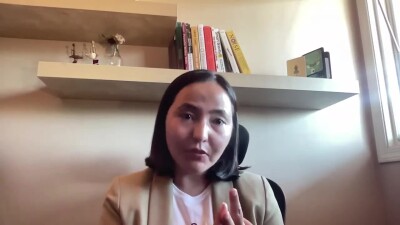
UN Human Rights on Tuesday called on Egypt to end the persecution, harassment and intimidation of independent journalists and media outlets, and to respect press freedom.

1
1
2
Edited News | UNICEF
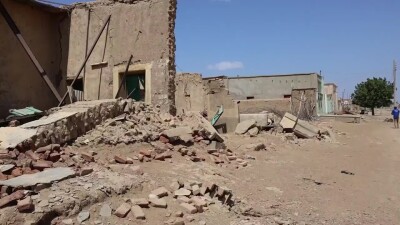
Drones and drought are "closing in" on Sudan, the UN Children's Fund, UNICEF, said on Tuesday, describing unprecedented attacks on the country's infrastructure including by drones travelling up to 1,500 kilometres before hitting their target.
"It is an assault unlike anything Sudan has seen before. In the last week of October, not a single day passed without a drone strike on a power station in Sudan. Up to 15 were hit in the month of October,” said agency spokesperson James Elder.
1
1
1
Edited News | IOM , UNHCR
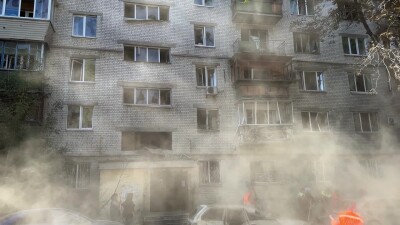
Aid teams working to help millions of people uprooted by the ongoing war in Sudan appealed on Friday for more international assistance amid desperate funding shortages, empty warehouses and overwhelming needs.
1
1
1
Edited News | UNICEF
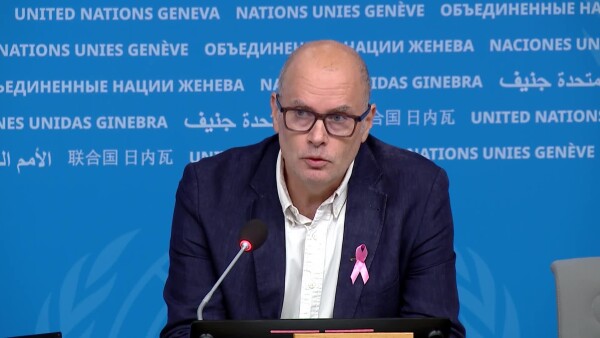
Ukraine has sustained almost 2,000 attacks on education since the full-scale Russian invasion in 2022, with some 270 this year alone, the UN Children’s Fund (UNICEF) said on Tuesday.
1
1
1
Edited News | UNHCR
More than 280,000 people have now been displaced by fighting in Yemen and many vulnerable people are unable to access lifesaving relief because it is too dangerous to do so, the UN refugee agency (UNHCR) said on Friday.
1
1
1
Edited News | UN
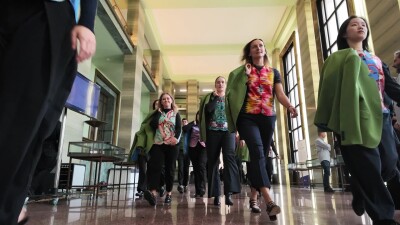
Tour guides at UN Geneva turned heads at the Palace of Nations on Thursday as they unveiled stylish new uniforms, designed in partnership with leading Italian sustainable fashion designers and manufacturers.
1
1
1
Edited News | OCHA , UNICEF , WFP
Aid agencies warned on Friday of the fast-developing humanitarian emergency inside Taiz City in Yemen, which has been encircled by de facto Houthi forces fighting government troops along the country’s west coast.
2
17
1
2
Edited News , Press Conferences , Images | OCHA , WMO
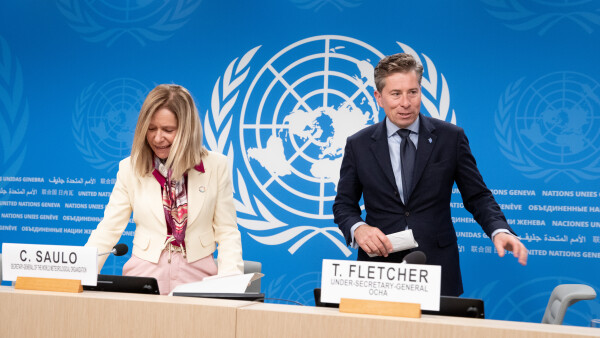
Two UN agencies teamed up on Wednesday to issue an appeal for immediate assistance to help communities already being impacted by the strongest El Niño on record.
3
16
2
2
Edited News , B-roll , Conferences , Images | UNITED NATIONS , UNOG
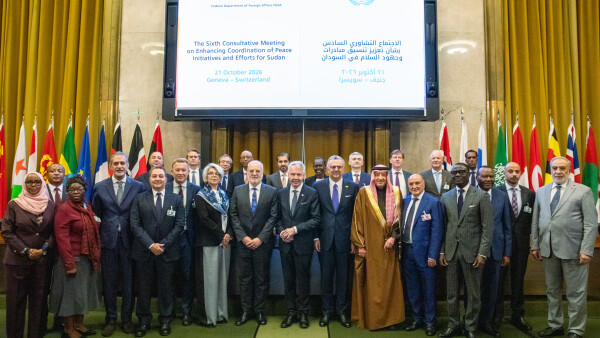
Sixth Consultative Meeting on Enhancing Coordination of Peace Initiatives and Efforts for Sudan
1
1
1
Edited News | UNICEF , WHO , UNHCR
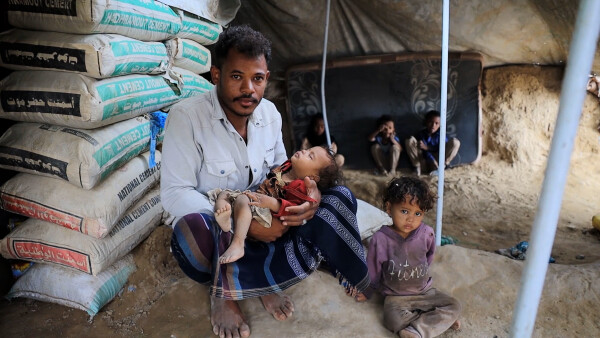
Yemen war continues to force families from homes amid hunger and disease
More than 250,000 people have now fled renewed fighting in Yemen, the UN said on Tuesday, citing particular concern for those sheltering in the southwestern city of Taiz and the wider governorate, where access is “essentially blocked”.
1
1
1
Edited News | UNICEF
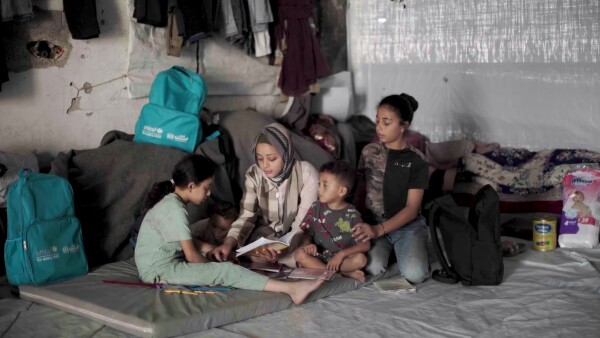
A little over one year since a ceasefire agreement was announced between Hamas fighters and Israel, more than 340 children have been reported killed and hundreds more injured, the UN Children’s Fund, UNICEF, said on Friday.
1
1
1
Edited News | UNICEF , IFRC
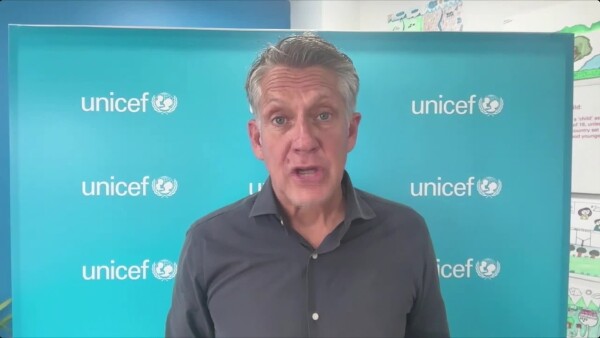
Six weeks after Nepal’s deadly flooding disaster, communities are still struggling to rebuild their lives, but they will need sustained help as global warming increases the risk of another Himalayan catastrophe, the UN Children’s Fund (UNICEF) said on Friday.