
The United Nations Office at Geneva
Multimedia Newsroom
Edited News | WHO , UNITED NATIONS
UNOG Bi-weekly press briefing: COVID-19 Impact On Cancer Care - WHO
Impact of COVID-19 on cancer care has been ‘profound’, warns UN health agency
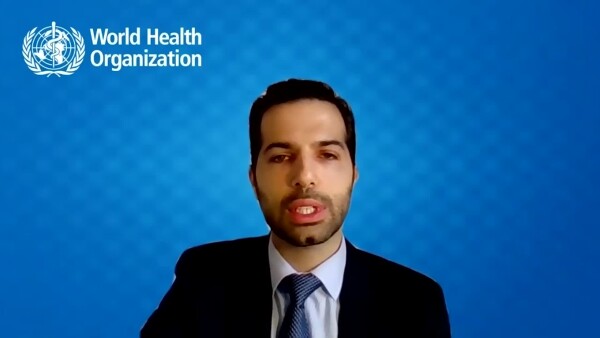
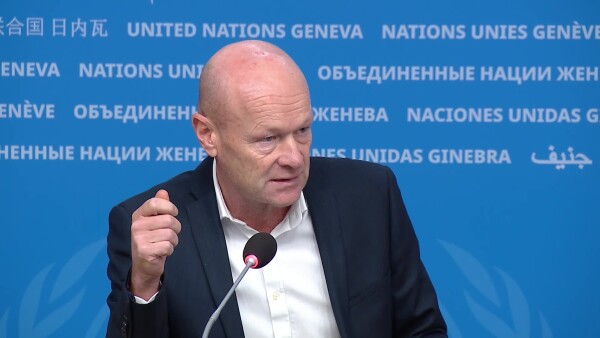
The COVID-19 pandemic has had a “profound” impact on the diagnosis and treatment of cancer around the world, the UN World Health Organization (WHO) said on Tuesday, before highlighting that breast cancer has become the most common type of the disease.
More than a year since the new coronavirus crisis began, its impact on cancer care has been stark, with “50 per cent of Governments (having) cancer services partially or completely disrupted because of the pandemic”, said Dr André Ilbawi, from WHO’s Department of Noncommunicable Diseases.
“Delays in diagnosis are common. Interruptions in therapy or abandonment have increased significantly,” he continued, adding that this would likely have an impact in the total number of cancer deaths in coming years.
“Healthcare professionals have been under great stress to deliver services and there are significant reductions in research and clinical trial enrolment. To state it simply, the consequences of the pandemic on cancer control efforts have been profound.”
An unspecified number of countries “of all income levels” had been affected, the WHO medic continued, although some wealthier nations had managed to counter the effects of the pandemic, including the Netherlands, where special programmes have been set up to speed up access to cancer diagnosis and treatment for those with symptoms.
Amid uncertainty over which COVID-19 vaccine might be most suitable for cancer patients, given the increased vulnerability of some individuals, Dr Ilbawi said that data from ongoing clinical vaccine trials had yet to be published.
“We do appreciate that cancer patients are being noted in these clinical trials because evidence has shown that cancer patients are at greater risk for COVID-related morbidity and mortality because of their immuno-suppression,” he said.
According to WHO, the economic impact of cancer is significant and increasing; in 2010, its cost was $1.16 trillion.
“In 2020, the number of people diagnosed with cancer globally reached 19.3 million, with the number of people dying increasing to 10 million,” said Dr Ilbawi.
According to the agency, there were 2.3 million new breast cancer cases in 2020, representing almost 12 per cent of all cancer cases. It is also the leading cause of cancer death worldwide among women.
Speaking via Zoom ahead of World Cancer Day on Thursday 4 February, Dr Ilbawi noted that “for the first time, breast cancer now constitutes the most commonly occurring cancer globally, followed by lung, which has historically been leading cause in most of, of cancer, and third colorectal”.
The WHO official warned that the burden of cancer is expected to rise further in the years ahead, with the number of new cases worldwide in 2040 expected to be 47 per cent higher than in 2020.
The greatest increases will be in low and middle-income countries where late-stage diagnosis and lack of access to quality and affordable diagnosis and treatment are common, the UN agency said in a statement.
Another cancer affecting women in particular is cervical cancer; it is the fourth most common cancer among women globally, with an estimated 604,000 new cases in 2020.
Sufferers from poorer countries are disproportionately affected, with nearly 90 per cent of global deaths in 2020 from cervical cancer occurring in low and middle-income countries.
The burden of cervical cancer is projected to continue to increase, WHO warned, with 700,000 cases and 400,000 deaths forecast in 2030.
Underscoring the benefits of early diagnosis and appropriate treatment for this cancer, the UN health agency appealed for better availability of human papillomavirus vaccine (HPV) and low-cost approaches for screening and treating pre-cancer “before it progresses to invasive cancer”, in addition to new approaches to surgical training.
“To get on the path to eliminate cervical cancer, we must achieve three targets by 2030: 90 per cent of girls fully vaccinated with the HPV vaccine by 15 years of age, 70 per cent of women screened using a high-performance test by age 35 and again by 45 and 90 per cent of women identified with cervical cancer treated,” WHO said.
Achieving these targets would lead to a decline in cases of more than 70 per cent by 2050 and help to avert 4.5 million cervical cancer deaths.
- Exterior wide shot, Palais des Nations flag alley, nations’ flags flying, a cloudy day.
- Wide shot, podium with speakers in a near-empty Room XIV in line with COVID-19 distancing measures, Palais des Nations.
- SOUNDBITE (English) — Dr André Ilbawi, WHO Department of Noncommunicable Diseases: “In 2020, the number of people diagnosed with cancer globally reached 19.3 million, with the number of people dying increasing to 10 million.”
- Medium shot, journalists seated and masked, side shot, Room XIV, Palais des Nations.
- SOUNDBITE (English) — Dr André Ilbawi, WHO Department of Noncommunicable Diseases: “For the first time, breast cancer now constitutes the most commonly occurring cancer globally, followed by lung, which has historically been leading cause in most of, of cancer, and third colorectal.”
- Medium shot, video journalist standing next to TV camera, Room XIV, Palais des Nations.
- SOUNDBITE (English) — Dr André Ilbawi, WHO Department of Noncommunicable Diseases: “WHO surveys have found that 50 per cent of Governments have had cancer services partially or completely disrupted because of the pandemic.”
- Medium shot, journalist using listening device, TV cameras to rear, Room XIV, Palais des Nations.
- SOUNDBITE (English) — Dr André Ilbawi, WHO Department of Noncommunicable Diseases: “Delays in diagnosis are common. Interruptions in therapy or abandonment have increased significantly. Healthcare professionals have been under great stress to deliver services and there are significant reductions in research and clinical trial enrolment. To state it simply, the consequences of the pandemic on cancer control efforts have been profound.”
- Medium close-up, journalists, seated and masked, using conference listening device, Room XIV, Palais des Nations.
- SOUNDBITE (English) — Dr André Ilbawi, WHO Department of Noncommunicable Diseases: “We do appreciate that cancer patient are being noted in these clinical trials because evidence has shown that cancer patients are at greater risk for COVID-related morbidity and mortality because of their immunosuppression.”
- Close-up shot, showing a hand holding a pen, writing on notepad, Room XIV, Palais des Nations.
- Close-up shot, journalist using listening device, side shot, Room XIV, Palais des Nations.
14. Close-up, back of journalist’s head, blurred, with big screen TV broadcasting to rear, Room XIV, Palais des Nations.
Similar Stories

1
1
1
Edited News | OHCHR , UNOG
UN Human Rights on Tuesday called on Egypt to end the persecution, harassment and intimidation of independent journalists and media outlets, and to respect press freedom.

1
1
2
Edited News | UNICEF
Drones and drought are "closing in" on Sudan, the UN Children's Fund, UNICEF, said on Tuesday, describing unprecedented attacks on the country's infrastructure including by drones travelling up to 1,500 kilometres before hitting their target.
"It is an assault unlike anything Sudan has seen before. In the last week of October, not a single day passed without a drone strike on a power station in Sudan. Up to 15 were hit in the month of October,” said agency spokesperson James Elder.
1
1
1
Edited News | IOM , UNHCR
Aid teams working to help millions of people uprooted by the ongoing war in Sudan appealed on Friday for more international assistance amid desperate funding shortages, empty warehouses and overwhelming needs.

1
1
1
Edited News | UNICEF
Ukraine has sustained almost 2,000 attacks on education since the full-scale Russian invasion in 2022, with some 270 this year alone, the UN Children’s Fund (UNICEF) said on Tuesday.
1
1
1
Edited News | UNHCR
More than 280,000 people have now been displaced by fighting in Yemen and many vulnerable people are unable to access lifesaving relief because it is too dangerous to do so, the UN refugee agency (UNHCR) said on Friday.
1
1
1
Edited News | UN
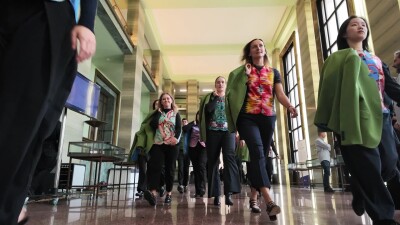
Tour guides at UN Geneva turned heads at the Palace of Nations on Thursday as they unveiled stylish new uniforms, designed in partnership with leading Italian sustainable fashion designers and manufacturers.
1
1
1
Edited News | OCHA , UNICEF , WFP
Aid agencies warned on Friday of the fast-developing humanitarian emergency inside Taiz City in Yemen, which has been encircled by de facto Houthi forces fighting government troops along the country’s west coast.
2
17
1
2
Edited News , Press Conferences , Images | OCHA , WMO
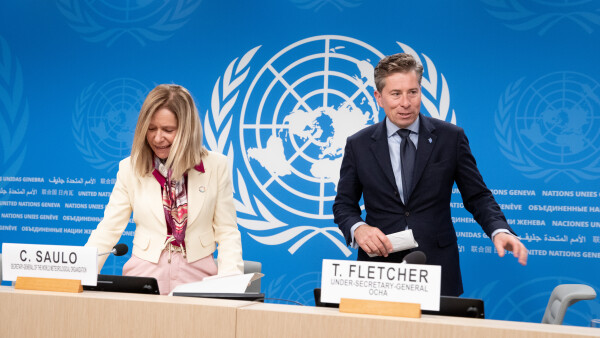
Two UN agencies teamed up on Wednesday to issue an appeal for immediate assistance to help communities already being impacted by the strongest El Niño on record.
3
16
2
2
Edited News , B-roll , Conferences , Images | UNITED NATIONS , UNOG
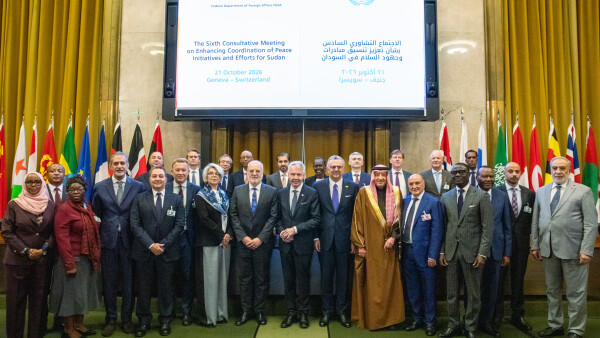
Sixth Consultative Meeting on Enhancing Coordination of Peace Initiatives and Efforts for Sudan
1
1
1
Edited News | UNICEF , WHO , UNHCR
Yemen war continues to force families from homes amid hunger and disease
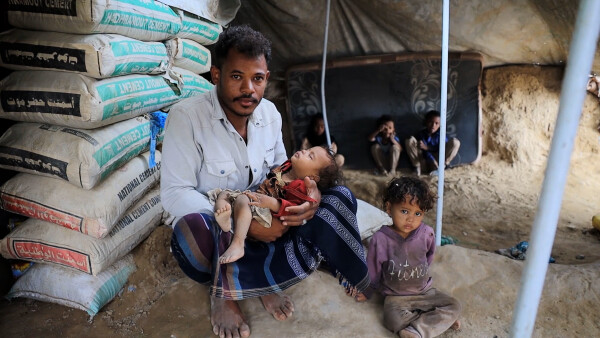
More than 250,000 people have now fled renewed fighting in Yemen, the UN said on Tuesday, citing particular concern for those sheltering in the southwestern city of Taiz and the wider governorate, where access is “essentially blocked”.
1
1
1
Edited News | UNICEF
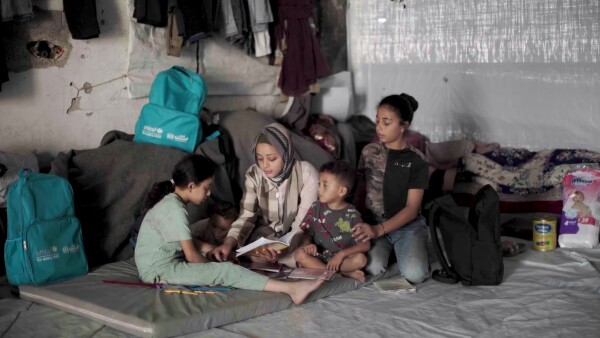
A little over one year since a ceasefire agreement was announced between Hamas fighters and Israel, more than 340 children have been reported killed and hundreds more injured, the UN Children’s Fund, UNICEF, said on Friday.
1
1
1
Edited News | UNICEF , IFRC
Six weeks after Nepal’s deadly flooding disaster, communities are still struggling to rebuild their lives, but they will need sustained help as global warming increases the risk of another Himalayan catastrophe, the UN Children’s Fund (UNICEF) said on Friday.