

The United Nations Office at Geneva
Multimedia Newsroom
‘Constellation’ of post-COVID symptoms will impact global healthcare, says WHO
Far more research is needed into the “constellation” of sometimes debilitating symptoms among people who’ve recovered from COVID-19, the World Health Organization (WHO) said on Friday, adding that it “will impact” global health systems.
“We know that this post-COVID-19 condition or as patients, some patients also call it ‘long COVID’ and some clinicians call it ‘long COVID’, is a heterogenous group of symptoms that occur after the acute illness,” said Dr Janet Diaz, Team Lead, Health Care Readiness at WHO.
“So, these are symptoms or complications that can happen potentially a month after, three months after or even six months after, and as we are learning more, we are trying to understand the real duration of this condition.”
Citing reported symptoms such as neurological and physical illness, Dr Diaz noted that an unspecified number of sufferers had been unable to return to work, once they had recovered from the acute sickness caused by the new coronavirus.
“We are concerned obviously with the numbers of patients infected with SARS-CoV-2 virus that the numbers…just by the magnitude of the pandemic, will impact health systems.”
Although comprehensive data on the condition is not yet available, the WHO official insisted that “these (symptoms) were real”.
“Some of the “more common” ailments were “fatigue, exhaustion and post-exertional malaise, cognitive disfunction”, along with what some patients called “brain fog”, Dr Diaz said, describing a “constellation of symptoms”.
Further research is also needed to drill down into how many COVID-19 sufferers who did not require intensive care unit (ICU) treatment still went on to develop the condition.
“What we know this far is that patients experiencing post-COVID-19 condition could have been hospitalized patients, those in the ICU. So we do know that has happened in patients who are very sick, but also in patients who were not managed inside the hospital, those patients that were deemed to have you know what we thought as mild illness and were treated in the ambulatory outpatient setting; but in fact, they have had complications and they have had persistent symptoms or new symptoms, you know persistent symptoms, or symptoms that waxed and waned, that came and went after their acute illness.”
To promote a better understanding of post-COVID sickness and support patient care and public health interventions, the WHO has called on clinicians and patients to report data on symptoms to the Organization’s Clinical Platform.
Its case report form – which is available in multiple languages - has been designed to report standardized clinical data from individuals after they have left hospital or after acute illness.
“What we don’t know is why it’s happening, so what is the pathophysiology or (inaudible) of this condition and so the researchers are really working hard to get to the answers of these questions, you know,” Dr Diaz said.
As of Friday 12 February 2021, WHO’s coronavirus tracker reported 107,252,265 confirmed cases of COVID-19, including 2,355,339 deaths.
Regionally, the Americas have seen most cases to date, with 47,814,602 infections, followed by Europe (36,132,951), South-East Asia (13,141,859), Eastern Mediterranean (5,951,021), Africa (2,694,171) and Western Pacific (1,516,916).
- Exterior wide shot, UN flag flying, a cloudy day.
- SOUNDBITE (English) — Dr Janet Diaz, Team Lead, Health Care Readiness, World Health Organization (WHO): “We know that this post-COVID-19 condition or as patients, some patients also call it, ‘long COVID’ and some clinicians call it ‘long COVID’, is a, is a heterogenous group of symptoms that occur after the acute illness. So, these are symptoms or complications that can happen potentially a month after, three months after or even six months after, and as we are learning more, we are trying to understand the real duration of this condition.”
- Wide shot, podium with speakers in a near-empty Room XIV in line with COVID-19 distancing measures, Palais des Nations.
- SOUNDBITE (English) — Dr Janet Diaz, Team Lead, Health Care Readiness, World Health Organization (WHO): “We are concerned obviously with the numbers of patients infected with SARS-CoV-2 virus that the numbers, even if it’s - we don’t know how common it is or how uncommon it is - but the numbers just by the magnitude of the pandemic will impact health systems.”
- Wide shot, podium with speakers in a near-empty Room XIV in line with COVID-19 distancing measures, Palais des Nations.
- SOUNDBITE (English) — Dr Janet Diaz, Team Lead, Health Care Readiness, World Health Organization (WHO): “Some reports are showing that some of the more common symptoms of the post-COVID-19 condition can be fatigue, post-exertional malaise, and cognitive dysfunction and so and sometimes you may be hearing patients describe that as ‘brain fog’.”
- Medium wide-shot, UN staff member sitting in front of laptop, using listening device, Room XIV, Palais des Nations.
- SOUNDBITE (English) — Dr Janet Diaz, Team Lead, Health Care Readiness, World Health Organization (WHO): “What we know this far is that patients experiencing post-COVID-19 condition could have been hospitalized patients, those in the ICU. So we do know that has happened in patients who are very sick, but also in patients who were not managed inside the hospital, those patients that were deemed to have, you know what we thought as mild illness and were treated in the ambulatory outpatient setting, but in fact, they have had complications and they have had persistent symptoms or new symptoms, you know persistent symptoms, or symptoms that waxed and waned, that came and went after their acute illness.”
- Medium wide-shot, journalists sitting in Room XIV, Palais des Nations
- SOUNDBITE (English) — Dr Janet Diaz, Team Lead, Health Care Readiness, World Health Organization (WHO): “What we don’t know is why it’s happening, so what is the pathophysiology or (inaudible) of this condition and so the researchers are really working hard to get to the answers of these questions, you know.”
- Medium shot, low angle-shot, UN staff member to rear, Room XIV, Palais des Nations.
Similar Stories

1
1
1
Edited News | OHCHR , UNOG
UN Human Rights on Tuesday called on Egypt to end the persecution, harassment and intimidation of independent journalists and media outlets, and to respect press freedom.

1
1
2
Edited News | UNICEF
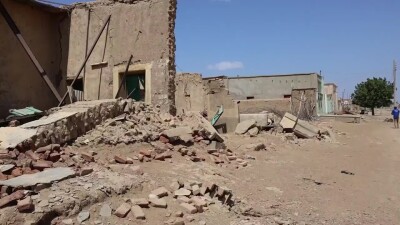
Drones and drought are "closing in" on Sudan, the UN Children's Fund, UNICEF, said on Tuesday, describing unprecedented attacks on the country's infrastructure including by drones travelling up to 1,500 kilometres before hitting their target.
"It is an assault unlike anything Sudan has seen before. In the last week of October, not a single day passed without a drone strike on a power station in Sudan. Up to 15 were hit in the month of October,” said agency spokesperson James Elder.
1
1
1
Edited News | IOM , UNHCR
Aid teams working to help millions of people uprooted by the ongoing war in Sudan appealed on Friday for more international assistance amid desperate funding shortages, empty warehouses and overwhelming needs.

1
1
1
Edited News | UNICEF
Ukraine has sustained almost 2,000 attacks on education since the full-scale Russian invasion in 2022, with some 270 this year alone, the UN Children’s Fund (UNICEF) said on Tuesday.
1
1
1
Edited News | UNHCR
More than 280,000 people have now been displaced by fighting in Yemen and many vulnerable people are unable to access lifesaving relief because it is too dangerous to do so, the UN refugee agency (UNHCR) said on Friday.

1
1
1
Edited News | UN
Tour guides at UN Geneva turned heads at the Palace of Nations on Thursday as they unveiled stylish new uniforms, designed in partnership with leading Italian sustainable fashion designers and manufacturers.
1
1
1
Edited News | OCHA , UNICEF , WFP
Aid agencies warned on Friday of the fast-developing humanitarian emergency inside Taiz City in Yemen, which has been encircled by de facto Houthi forces fighting government troops along the country’s west coast.
2
17
1
2
Edited News , Press Conferences , Images | OCHA , WMO
Two UN agencies teamed up on Wednesday to issue an appeal for immediate assistance to help communities already being impacted by the strongest El Niño on record.
3
16
2
2
Edited News , B-roll , Conferences , Images | UNITED NATIONS , UNOG
Sixth Consultative Meeting on Enhancing Coordination of Peace Initiatives and Efforts for Sudan
1
1
1
Edited News | UNICEF , WHO , UNHCR
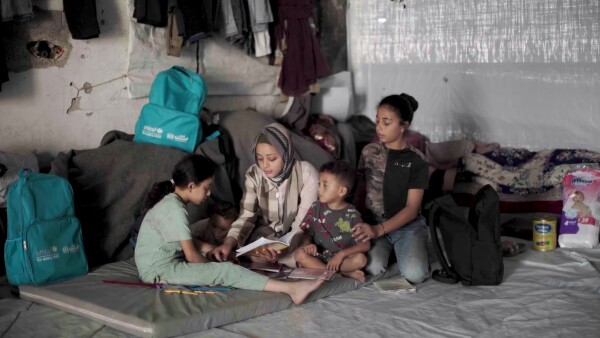
Yemen war continues to force families from homes amid hunger and disease
More than 250,000 people have now fled renewed fighting in Yemen, the UN said on Tuesday, citing particular concern for those sheltering in the southwestern city of Taiz and the wider governorate, where access is “essentially blocked”.
1
1
1
Edited News | UNICEF
A little over one year since a ceasefire agreement was announced between Hamas fighters and Israel, more than 340 children have been reported killed and hundreds more injured, the UN Children’s Fund, UNICEF, said on Friday.
1
1
1
Edited News | UNICEF , IFRC
Six weeks after Nepal’s deadly flooding disaster, communities are still struggling to rebuild their lives, but they will need sustained help as global warming increases the risk of another Himalayan catastrophe, the UN Children’s Fund (UNICEF) said on Friday.